The United Nations Ch i l d ren’s Fund (Unicef) has reported that violence against children has trippled in Malawi in the past two years, with 148 664 cases reported in 2024 from 49 900 reported in 2023.
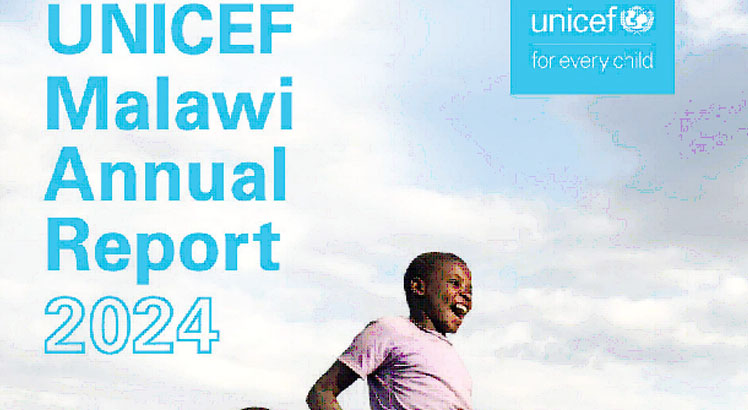
In a 2024 Unicef Malawi Annual Report, the agency said violence against children remained a pressing issue.
“High rates of violence and exploitation were reported across the country in 2025, and the social service workshop continues to be overstretched,” reads part of the report.
“In response, the Government of Malawi has pledged to lead and support a periodic survey on violence against children, which will provide new evidence on the magnitude of the issue and subsequently inform the development of the new National Child Protection Strategy for 2025-2028.”
The strategy, currently being developed and will be aligned with Malawi 2063 (MW2063)—the country’s long-term term development blueprint, places emphasis on, among others, increasing the capacity of child protection workforce and strengthening social protection systems.
It also focuses on eradicating child marriage and improving access to essential services.
The Unicef report published on its official website said the increase in reported cases of violence against children reflected consistent efforts by the international humanitarian organisation in raising awareness on the impact of violence against children and women.
The awareness further trickles down to existing channels for reporting violence against children.
According to the report, economic pressures have also led to increased incidences of child labour, particularly in rural areas where children are often engaged in agriculture or informal sectors.
Unicef said it has been supporting the Malawi Government in creating communities in which all children can flourish in secure, healthy and sustainable environments.
This is apart from empowering communities to break the poverty cycle as well as having contributed to the design and launch of the National Decentralisation Policy to assist local government authorities and actors in understanding child rights issues and translating knowledge into practice.
Reads the report further: “In 2024, Unicef moved from generating evidence on child poverty to actively leveraging that evidence in shaping national perspectives on child-inclusive programming that can holistically address children’s multifaceted deprivations.”
Ministry of Gender, Community Development and Social Welfare spokesperson Pauline Kaude could not be reached yesterday evening when The Nation tried to reach out for comment.
But in a separate interview, child and women’s rights activist Chimwemwe Banda said authorities need to ensure children are protected to reverse the trend.
“At the same time, it’s a collective fight, meaning not only should the government protect our children, but community leaders also need to play a decisive role,” she said.
According to a December 2024 Afrobarometer dispatch number 924, threats to child well-being remain severe and widespread in Malawi.
“Almost two-thirds of children still live in poverty, seven in 10 young children experience violent discipline, and almost half of girls are married before age 18, among other risk factors,” reads part of the dispatch.
“Fewer than half of Malawians say people in their community are generally able to get help for children who have been abused, mistreated, or neglected [41 percent], for children with physical disabilities [38 percent], and for children and adults who have mental or emotional problems [29 percent].”